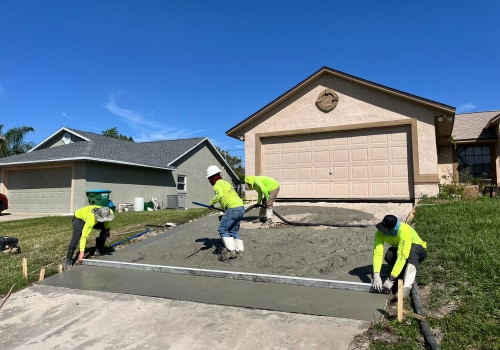
Asphalt paving is widely recognized for creating smooth, durable surfaces for driveways, parking lots, private roads, and walkways. While many property owners choose asphalt because of its affordability, clean appearance, and ease of maintenance, its benefits extend far beyond curb appeal. A properly designed and installed asphalt surface contributes to the overall health of a property by supporting effective drainage, reducing soil erosion, and helping preserve the stability of nearby structures. Whether surrounding a residential home or a commercial facility, asphalt paving serves as an important part of the property's infrastructure, helping protect foundations, utility systems, and other structural elements from the damaging effects of uncontrolled water movement and ground instability.
Managing Water Around the Property
One of the most valuable functions of asphalt paving is its ability to direct water away from buildings and critical infrastructure. Proper grading allows rainfall to flow toward designated drainage areas instead of pooling near foundations or seeping into the supporting soil. Without effective surface drainage, water can saturate the ground surrounding a structure, increasing the risk of erosion, soil movement, and moisture-related foundation concerns. Asphalt paving systems designed with appropriate slopes and drainage features help minimize these risks by encouraging controlled runoff while reducing standing water. This proactive management of surface water plays a significant role in preserving the long-term stability of both the paved area and nearby buildings.
Supporting Stable Soil Conditions
The performance of any foundation depends heavily on the condition of the supporting soil. Excessive moisture, repeated erosion, or inconsistent soil movement can gradually affect how structural loads are distributed beneath a building. Asphalt paving helps maintain more stable site conditions by protecting exposed soil from direct rainfall and reducing the likelihood of surface erosion during heavy storms. Well-constructed paved areas also help control traffic patterns, preventing repeated vehicle movement from disturbing nearby ground surfaces. Companies such as Open Concept Engineering recognize that thoughtful site planning and properly designed hardscape improvements contribute to stronger overall structural performance by supporting the long-term stability of the surrounding environment.
Protecting Utilities and Other Infrastructure
Foundations are not the only components that benefit from quality asphalt paving. Underground utilities, sidewalks, curbs, drainage systems, retaining walls, and other site infrastructure also rely on stable surface conditions to perform effectively. Poorly maintained or improperly graded paved areas can allow water infiltration that undermines utility trenches or weakens supporting materials around adjacent structures. Cracks, potholes, and surface deterioration may also accelerate water penetration into the pavement base, increasing the likelihood of settlement and infrastructure damage over time. Regular maintenance and timely repairs help preserve the integrity of the asphalt surface while protecting the systems that lie beneath and around it.
Reducing Long-Term Maintenance Costs
Investing in properly designed asphalt paving often results in lower maintenance expenses throughout the life of the property. A well-prepared base, quality materials, and effective drainage reduce the likelihood of premature cracking, rutting, and settlement that require costly repairs. By preventing water from accumulating near foundations and infrastructure, asphalt paving also helps minimize structural maintenance associated with moisture intrusion or soil instability. Routine inspections, crack sealing, and resurfacing further extend the lifespan of the pavement while preserving its ability to support surrounding structures. These preventive measures provide lasting value by addressing small issues before they develop into more extensive and expensive problems.
Strengthening Properties Through Smart Site Planning
Asphalt paving should be viewed as more than a transportation surface—it is an important component of a property's overall structural and drainage strategy. When properly designed, installed, and maintained, asphalt helps regulate water movement, preserve stable soil conditions, and protect nearby foundations and infrastructure from unnecessary stress. Coordinating paving projects with thoughtful site planning creates outdoor environments that perform efficiently while supporting the long-term durability of the entire property. By recognizing the connection between paving, drainage, and structural stability, property owners can make informed decisions that improve safety, reduce maintenance costs, and protect their investment for many years to come.