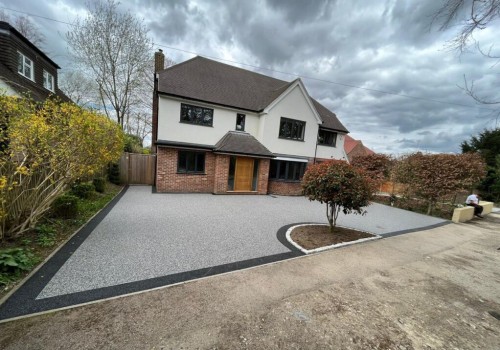
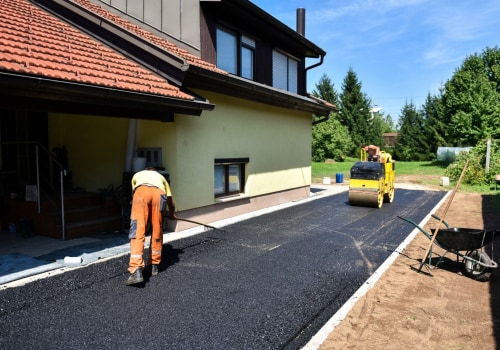
Asphalt paving plays a crucial role in enhancing outdoor functionality, offering a durable and versatile surface for driveways, parking areas, walkways, and commercial spaces. Its smooth finish and resilience make it ideal for high-traffic environments, but its true value goes beyond surface-level appeal. When combined with thoughtful planning, asphalt paving becomes a foundation for efficient outdoor systems, particularly lighting and drainage. These integrations ensure that paved areas remain safe, accessible, and long-lasting under varying weather conditions. Without proper coordination, even the best asphalt installations can suffer from water damage, poor visibility, or premature wear. By approaching paving as part of a larger system, property owners can create outdoor spaces that are both practical and visually cohesive.
Designing Effective Drainage Systems for Asphalt Surfaces
Drainage is one of the most critical factors in maintaining the integrity of asphalt surfaces. Water accumulation can weaken the base layer beneath the pavement, leading to cracks, potholes, and structural deterioration over time. To prevent these issues, proper grading and slope design must be implemented during installation, directing water away from the paved surface and surrounding structures. Incorporating features such as drainage channels, catch basins, and permeable edges can significantly improve water management. In residential and commercial projects alike, collaboration between paving professionals and utility experts—such as those from Abacus Plumbing, Air Conditioning, & Electrical ensures that drainage systems are seamlessly integrated with existing infrastructure. This level of planning not only protects the asphalt but also reduces the risk of flooding and erosion, preserving the functionality of the entire outdoor area.
Integrating Lighting for Safety and Aesthetic Appeal
Lighting is another essential component that enhances the usability and safety of asphalt-paved spaces. Well-placed outdoor lighting improves visibility for both pedestrians and vehicles, reducing the risk of accidents during nighttime or low-light conditions. From pathway lights to overhead fixtures, lighting systems must be strategically positioned to provide even illumination without creating glare or dark spots. Additionally, integrating lighting during the paving process allows for concealed wiring and a cleaner overall design. This approach prevents the need for disruptive modifications later on and ensures that electrical components are protected from environmental damage. Beyond safety, lighting also contributes to the aesthetic appeal of outdoor spaces, highlighting architectural features and creating a welcoming atmosphere that extends usability beyond daylight hours.
Achieving Long-Term Performance Through Integrated Planning
The success of asphalt paving projects ultimately depends on how well they incorporate supporting systems like drainage and lighting. When these elements are planned and installed together, they create a cohesive outdoor environment that is both functional and durable. Integrated planning reduces maintenance needs, extends the lifespan of the pavement, and enhances overall property value. It also allows for future upgrades, such as additional lighting fixtures or improved drainage solutions, without compromising the existing structure. By viewing asphalt paving as part of a broader outdoor system, property owners and contractors can achieve results that go beyond basic functionality. The combination of proper water management and effective lighting transforms paved areas into safe, efficient, and visually appealing spaces that stand the test of time.