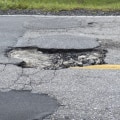
Most conversations about asphalt maintenance revolve around crack sealing, sealcoating, or repaving schedules, yet one of the least discussed diagnostic tools for pavement health is the act of professional surface cleaning. Asphalt surfaces—whether parking lots, loading zones, or drive aisles—behave like shallow drainage systems. Their longevity depends not only on the strength of the mix and the thickness of the base but on how effectively water is moved away from the surface before it infiltrates joints or saturates the subgrade. When water fails to drain, the consequences are predictable: freeze–thaw cycles pry open microcracks, oils emulsify binders, and hydrostatic pressure accelerates pothole formation. Ironically, these weaknesses often become most visible not during storms but after routine cleaning, when wash water or rinse patterns reveal where the pavement fights gravity and loses.
Cleaning as a Flood Test for Pavements
High-pressure washing, ride-on scrubbers, or even simple hose-down procedures act like miniature flood tests. When professionals apply water uniformly across a paved surface, the flow highlights low spots, birdbaths, and ruts that are difficult to detect when the surface is dry. Rather than disappearing instantly, water may pool around manholes, settle along wheel paths, or drift sideways toward landscaping instead of designated storm drains. These irregularities show how subsidence, compaction failures, or improper grading have altered drainage slopes since installation. Because cleaning introduces water without the debris of a storm event, the resulting puddles are purer indicators of geometry rather than clogged drains, allowing owners or facility managers to distinguish design flaws from maintenance issues.
Revealing Contamination Pathways
Cleaning also exposes another drainage-related problem: pollutant transport. Parking lots accumulate hydrocarbons, rubber particles, heavy metals, and organic waste from vehicles and foot traffic. During cleaning, rinse water mobilizes these contaminants and traces their routes toward catch basins or bioswales. If the hydraulic path deviates from intended stormwater infrastructure, it can signal grading errors or the beginnings of pavement deformation. In some cases, runoff may bypass oil–water separators entirely, posing regulatory and environmental liabilities that remain hidden during dry conditions. Dirt patterns left after drying can further indicate micro-topography that would otherwise go unnoticed, helping pavement engineers develop more targeted patching or regrading plans.
The Role of Janitorial and Facilities Professionals
In commercial properties, cleaners are often the first to notice chronic drainage failures because they interact with the surface under controlled conditions. They observe where squeegee lines stall, where scrubber tanks empty faster, or where equipment struggles against slick algae blooms created by persistent moisture. Patterns of tire scuffing and abrasive wear also correlate with pooling zones, hinting at traction problems for pedestrians and vehicles alike. Through repetition, cleaners become informal inspectors who detect operational issues before they escalate into capital projects. Services associated with commercial cleaning show how routine surface care provides unexpected infrastructure intelligence by illuminating problems that engineers may only see during expensive inspections or rainy seasons.
A Data Source for Maintenance Planning
By integrating observations from cleaning staff with facility management data, owners can refine pavement maintenance schedules and avoid reactive repairs. Pooling maps generated after washdowns can be compared across seasons to track settlement rates. If depressions grow year over year, managers gain evidence for subgrade remediation rather than surface-level patching. Likewise, pairing cleaning data with stormwater compliance reports exposes where corrective action—such as milling, overlay, or drain installation—might prevent future violations. Ultimately, commercial cleaning reframes asphalt from a passive surface into an active diagnostic canvas. What begins as housekeeping ends as performance analysis, revealing that cleanliness and drainage are inseparable in the long-term stewardship of paved environments.