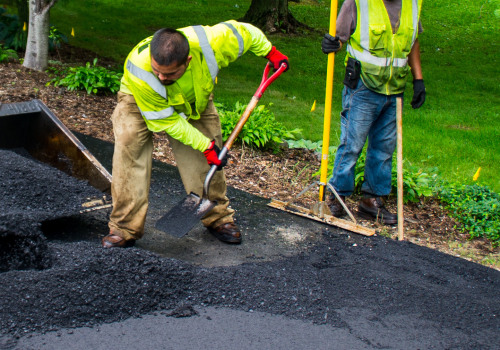
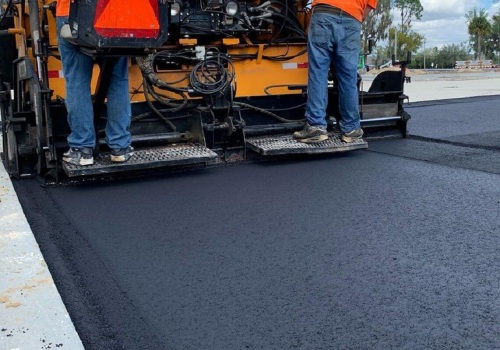
Pre-paving site preparation is a critical phase in any construction or landscaping project, ensuring that the surface is stable, functional, and ready to support long-term use. While paving contractors often take the lead in grading and base preparation, plumbing and electrical companies play an equally important role behind the scenes. Before any asphalt, concrete, or pavers are installed, essential utilities must be carefully planned and positioned beneath the surface. This includes water lines, drainage systems, electrical conduits, and other infrastructure that will support the property’s functionality. Proper coordination during this stage prevents costly disruptions later, as accessing utilities after paving is completed can require extensive demolition and repairs.
Plumbing Systems and Drainage Solutions
One of the most significant contributions of plumbing services in pre-paving preparation is the installation and management of drainage systems. Effective drainage is essential to prevent water accumulation, which can weaken the paving structure and lead to cracks, erosion, or premature failure. Plumbing professionals design and install systems such as storm drains, catch basins, and underground piping to direct water away from the paved surface. They also ensure that water lines and irrigation systems are properly routed and protected. Without these measures, even the most well-constructed pavement can suffer from long-term damage caused by poor water management.
Electrical Infrastructure Beneath the Surface
Electrical services are equally vital during pre-paving preparation, particularly for properties that require outdoor lighting, security systems, or automated features. Electricians install conduits and wiring that will power these systems, ensuring they are safely embedded beneath the paving surface. This includes planning for landscape lighting, pathway illumination, and even future upgrades such as electric vehicle charging stations. Proper installation ensures that electrical systems are protected from environmental factors and remain accessible for maintenance when needed. Coordinating these elements before paving begins helps create a seamless and functional outdoor environment.
Collaboration and Coordination Among Professionals
Successful pre-paving preparation depends on effective collaboration between plumbing, electrical, and paving professionals. Each trade must work together to ensure that all systems are installed in the correct sequence and do not interfere with one another. For example, plumbing lines must be positioned to avoid conflicts with electrical conduits, while both must align with the overall grading and layout of the site. Trusted providers like Baker Brothers Plumbing often bring expertise in coordinating these complex installations, helping ensure that all components are properly integrated. This level of teamwork minimizes errors and ensures that the project progresses smoothly.
Preventing Future Issues and Costly Repairs
One of the primary benefits of involving plumbing and electrical companies in pre-paving preparation is the prevention of future issues. Proper installation of utilities reduces the likelihood of leaks, electrical failures, or drainage problems that could compromise the paved surface. Addressing these elements early also eliminates the need for disruptive and expensive repairs after the project is completed. By investing in thorough preparation, property owners can extend the lifespan of their paving and avoid unnecessary maintenance costs.
Enhancing Long-Term Functionality
Ultimately, the role of plumbing and electrical companies in pre-paving site preparation extends beyond initial installation—it contributes to the long-term functionality and value of the property. Well-planned utility systems support a wide range of features, from efficient drainage to modern outdoor amenities. By integrating these systems during the preparation phase, homeowners and developers can create durable, efficient, and future-ready spaces that meet both practical and aesthetic needs.