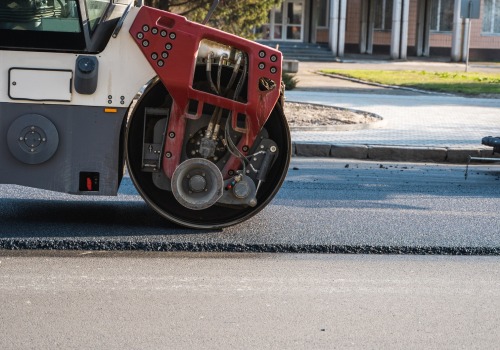
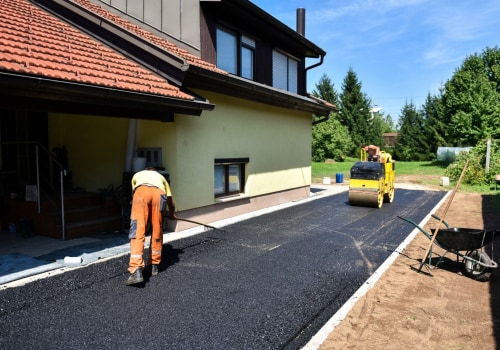
Combining asphalt paving with efficient utility planning is essential for creating durable, functional, and long-lasting surfaces. While asphalt paving focuses on providing smooth and reliable driveways, roads, and parking areas, utility systems such as drainage, water lines, and underground infrastructure play a critical role in supporting that surface. Without proper coordination, paving projects can suffer from premature wear, water damage, or costly repairs. Integrating both elements from the start ensures that the finished project is not only visually appealing but also structurally sound.
Planning for Underground Infrastructure
Before asphalt is laid, careful planning of underground utilities is necessary to avoid conflicts and future disruptions. This includes identifying the location of water pipes, sewer lines, and drainage systems. Proper mapping and coordination prevent accidental damage during construction and reduce the need for excavation after the pavement is completed. Addressing these elements early ensures that the asphalt surface remains intact and that utilities function efficiently beneath it.
Managing Drainage for Long-Term Durability
Effective drainage is one of the most important aspects of asphalt paving. Water is a major factor in pavement deterioration, as it can seep into the base layers and weaken the structure. Incorporating drainage solutions such as sloping, channels, and underground piping helps direct water away from the surface. Services like drain cleaning in Dallas highlight the importance of maintaining clear and efficient drainage systems to prevent blockages that could compromise the integrity of the pavement. Proper water management extends the lifespan of asphalt and reduces maintenance needs.
Preventing Structural Damage and Costly Repairs
Poor utility planning can lead to significant structural issues in paved areas. Leaks, clogged drains, or shifting pipes can cause the ground beneath the asphalt to become unstable, resulting in cracks, potholes, or uneven surfaces. By ensuring that utilities are properly installed and maintained, these risks can be minimized. Preventative measures taken during the planning phase help avoid costly repairs and ensure that the pavement remains stable over time.
Enhancing Efficiency and Project Coordination
Coordinating asphalt paving with utility planning also improves overall project efficiency. When contractors and utility professionals work together, tasks can be scheduled in a logical sequence, reducing delays and avoiding rework. This collaborative approach ensures that all components are installed correctly and that the project progresses smoothly. Efficient coordination saves time, reduces costs, and results in a higher-quality outcome.
Supporting Long-Term Maintenance and Accessibility
Well-planned utility systems make future maintenance easier and less disruptive. Access points can be strategically placed to allow for inspections and repairs without damaging the asphalt surface. This foresight ensures that any necessary work can be completed quickly and efficiently, preserving the integrity of the pavement. Regular maintenance of both the asphalt and utility systems helps maintain performance and extend the life of the installation.
Achieving Durable and Functional Results
Ultimately, combining asphalt paving with efficient utility planning creates surfaces that are both durable and functional. By addressing drainage, coordinating underground infrastructure, and prioritizing long-term maintenance, homeowners and contractors can achieve results that stand up to daily use and environmental challenges. This integrated approach highlights the importance of considering all aspects of a project, ensuring that both the visible surface and the hidden systems beneath it work together seamlessly.