Asphalt paving around a property that has undergone foundation repair requires careful planning. Driveways, parking areas, and access lanes can affect drainage, soil conditions, and how water moves near the structure. Before paving begins, property owners should review any previous foundation repair records and identify where piers, drainage systems, excavation areas, or other stabilization work may be located. Understanding the repair history can help paving contractors avoid disturbing sensitive areas and make better decisions about grading, base preparation, and pavement placement.
Protect Repaired Areas During Site Preparation
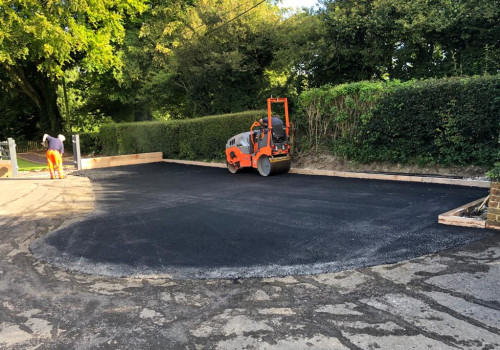
Asphalt installation typically begins with excavation, grading, and compaction of the underlying base. Heavy equipment used during these stages should be operated carefully near repaired sections of the foundation. Excessive excavation or soil disturbance close to the building may affect areas that were previously stabilized. Consulting professionals such as Bats Foundation Repair can help clarify whether certain locations should remain accessible or undisturbed before the paving contractor begins major site preparation.
Maintain Proper Drainage Away From the Building
One of the most important paving considerations is slope. Asphalt should be graded so that rainwater flows away from the foundation rather than collecting beside the structure. A driveway that slopes toward the home can direct significant amounts of runoff toward exterior walls, potentially increasing soil moisture around the foundation. Contractors may use grading, curbs, swales, or drainage systems to control runoff. Proper water management is especially important on properties where moisture conditions may have contributed to earlier foundation movement.
Prepare a Stable Base
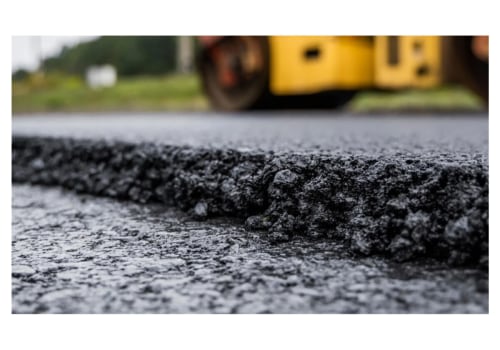
The performance of asphalt depends heavily on the quality of the base underneath it. Soil should be evaluated, compacted, and prepared appropriately before aggregate base material and asphalt are installed. Areas disturbed during previous foundation repairs may need additional attention because excavated soil can settle differently from undisturbed ground. If the base is not properly compacted, the pavement may sink, develop depressions, or crack over time. Careful preparation can reduce these risks and create a more durable finished surface.
Avoid Blocking Drainage Improvements
Foundation repair projects sometimes include French drains, surface drains, extended downspouts, or other water-management improvements. Asphalt paving should be coordinated with these features so they continue functioning properly. Covering drainage outlets, raising pavement above intended elevations, or redirecting runoff into repaired areas can create new moisture problems. Contractors should identify existing drainage systems before finalizing pavement grades.
Watch the Transition Near the Structure
The area where asphalt meets a garage slab, sidewalk, or building edge deserves particular attention. Settlement can create gaps, uneven transitions, or low spots where water collects. Properly designed transitions can improve drainage and reduce trip hazards while allowing the pavement and building to respond independently to minor soil movement. Contractors may also recommend suitable joints or edge treatments depending on the site.
Monitor Asphalt for Early Signs of Movement
After paving is complete, property owners should watch for recurring cracks, sinking areas, or changes in drainage patterns. Some asphalt cracking is normal over time, but concentrated damage near the building may indicate changes in the base or surrounding soil. Monitoring these conditions can help identify problems before they become more extensive.
Coordinate Paving With Long-Term Foundation Protection
Asphalt paving can improve accessibility and appearance, but it should also support the property’s broader drainage and structural needs. By reviewing previous foundation work, protecting repaired areas, preparing a stable base, and maintaining proper grading, property owners can reduce the likelihood of paving-related complications. Thoughtful coordination between paving and foundation professionals can help preserve previous repairs while creating a durable surface designed for long-term performance.